

Once again I’m changing blogging platforms. The fact that my last post was about my change to Gatsby and then there was a multiple year drought of posts should tell you I wasn’t super successful with it. It is very powerful but I spent all my time writing code and customizing Gatsby and didn’t spend…

Last Lagoon (This Year)
Lagoon is closing for the season so we went one last time. Halloween is the best time to go.


Grami Del
Some people deserve to live forever yet on this beautiful Autumn day we spent the day with family celebrating a life beautifully lived and saying goodbye to Grami Del. She is in so many ways what I hope to grow up to be. She was unfailingly kind to everyone. She loved family and loved to…

FanX (and Lagoon)
The Pandemic prevented us from going last year but we made it this time around. We even managed a stop at Lagoon on the way home.

Vegas Baby
I and my daughters and their friends took a trip to Las Vegas to see Harry Styles first concert since the Pandemic started.
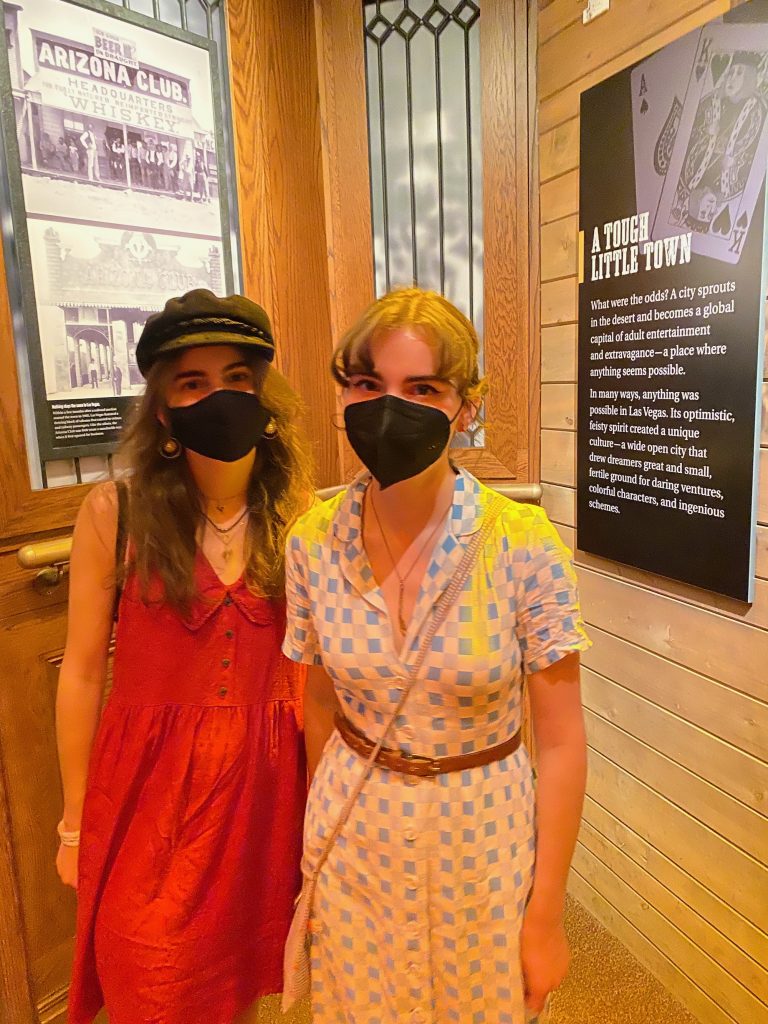
Aubrey and Alyssa
I’ve worked from home for most of my life. My office is in the basement at the bottom of the stairs. Aubrey’s is next to it on the way to the storage room where I keep my chocolate. As an unrecovered cocoa addict my path to a chocolate fix carries me past my daughter’s bedroom…
Gatsby 2.0 and Forestry
I’ve let this blog sit idle for a very long time because all the cool kids stopped blogging and I’ve spent so much time on the tech that I neglected writing anything. I’m hoping to change that now. My initial experience with Gatsby wasn’t good. I don’t have a lot of time and so getting…
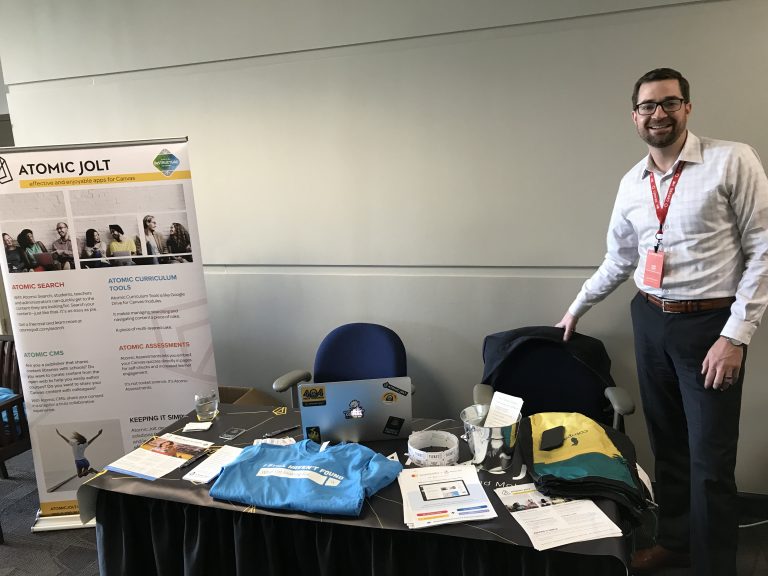
CanvasCon at FIU
We’ve had the privilege of working with Instructure for many years building LTI tools and integrating with the Canvas API. Atomic Jolt has been a Canvas Alliance Partner for a number of years which means that we work closely with development teams at Instructure, build cool products to enhance Canvas and we go to Instructure’s…
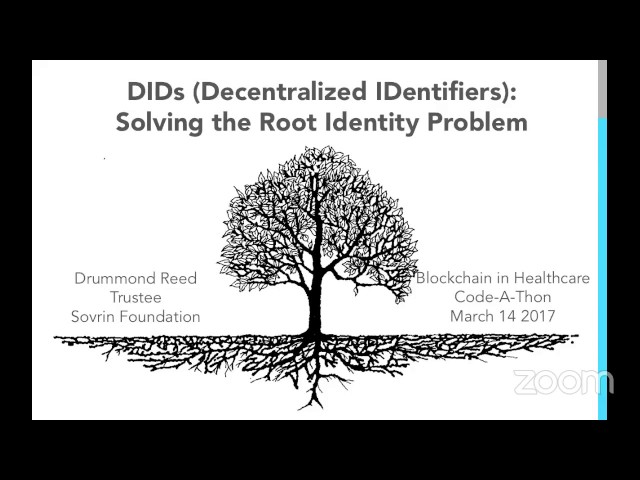
Why Sovrin?
Why Sovrin? Many attempts have been made at identity over the years. A long time ago there was Microsoft Passport. Later they tried cards which seemed like a great idea but it never took off. OpenId was an attempt to let you control your own identity and I had it setup on this blog for…